
Florry
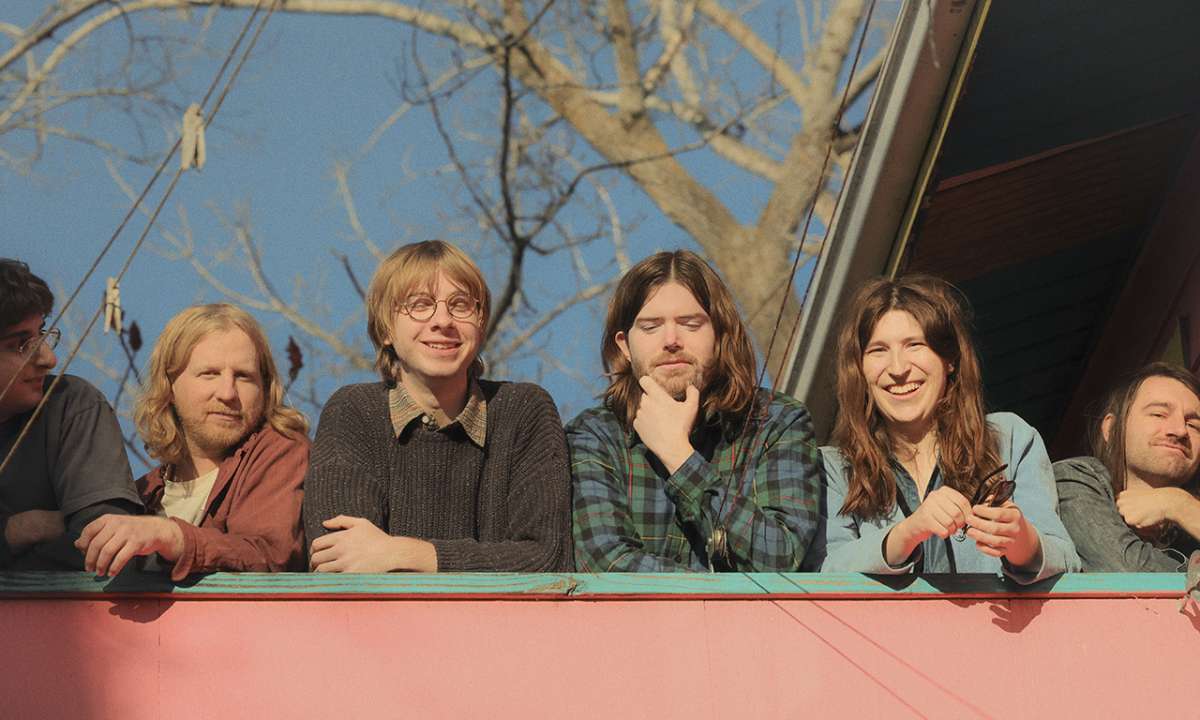
ALL AGESSTANDING ROOM ONLY FLORRY A far cry from the cool, calculated distance and reserved posture that is all-too-familiar to the indie-rock sphere, Florry, the Philly-bred septet and songwriting vehicle of bandleader Francie Medosch, are marking their territory as a band resolving to do something very different: they are having a really good time out there. Cutting her teeth in the Philadelphia DIY scene starting in 2019 as a student at Temple University, the early days of Florry found Medosch at the end of her teenage years releasing a slew of singles and EP’s in a familiar idiom of lo-fi bedroom recordings tinged with country melancholy. A lot has changed since then. Most importantly, perhaps, the project snowballed into a barn-burning seven piece rock band in the proceeding years; and without sacrificing any of the emotional immediacy that’s come to define Medosch’s brashly earnest, bleeding-heart lyrical style, you’re unlikely to find her lingering as much on the melancholy these days. Or, as Medosch plainly puts it in regards to Sounds Like… , the band’s forthcoming LP. The release of their 2023 formal full-length debut The Holey Bible (via Dear Life) found Medosch now flanked by six bandmates and trafficking in a wider, more rock-oriented approach with the bravado of someone with a new lease on life. With Jon Cox (Sadurn, Son of Barb) on pedal steel, John Murray on electric guitar, Colin Dennen on bass, Will Henrikson on fiddle, Katya Malison (Doll Spirit Vessel) on Vox, and Joey Sullivan (Bark Culturr) on drums, Florry 2.0 had arrived. The retooled seven-piece embraced a lengthy run of tours dialing in their new kinetic sound and freewheeling chemistry including runs with Fust, MJ Lenderman, Greg Freeman, and Real Estate. Greeted to critical acclaim upon its release, with positive notices from outlets including Pitchfork, Stereogum, Paste, and Brooklyn Vegan, the album quickly introduced Florry to an expanded audience and pointed a way forward for Medosch and the band at a time when the future wasn’t so clear. On the winkingly titled Sounds Like, the band’s second full-length release via Dear Life, Florry is picking up right where they left off in 2023. Again upping the ante with a bigger, brighter, more abrasive sound that resembles something closer to Rolling Thunder Revue-era Bob Dylan than their humble DIY roots. Across ten tracks, the band wear their influences on their sleeve while carving out a space that is distinctly their own, blending raw honky-tonk grit and rich instrumental textures with the disarming sincerity and intimacy of the group’s lo-fi beginnings. It’s a record about searching—searching for home, for love, for meaning, and for a sound that captures it all. TOMBSTONE POETRY Caelan Burris has a landscape for a voice. A landscape smattered with rocky hills, empty Steel Reserve bottles, and dense Western Carolina forests. A landscape populated by what became of the kids who played Super Mario Bros. 3 on the Game Boy Advance, burnt out cruel rural soccer cliques, and a healthy dose of classic Appalachian hicks. “How Could I Be So In Debt?” takes the living world trapped within Burris’ voice and expands it into a statement. Tombstone Poetry constructs dynamic and distinct auditory images of that world- intentionally and meticulously assembling a blown out sonic diorama with a remarkable level of skill. Strikingly honest and unabashedly of its place, Tombstone Poetry’s long-awaited full length is something to behold.
Frankie and the Witch Fingers

ALL AGESSTANDING ROOM ONLY FRANKIE AND THE WITCH FINGERS Los Angeles psych-punk shapeshifters Frankie and the Witch Fingers have spent the last decade mutating their sound into bold, electrifying new forms. Their latest release, Trash Classic (via Greenway Records and The Reverberation Appreciation Society), plunges into a sewer-slick fusion of proto-punk venom, fractured new wave, and industrial grime. Brimming with wiry synths, angular melodies, and grooves that squirm and bite, it’s all delivered with a sly, playful wink. Fueled by relentless global touring and a fierce DIY ethos, the band has shared stages with OFF!, Ty Segall, Oh Sees, Cheap Trick, and ZZ Top, cementing their place as one of the most unforgettable live acts around. Frankie and the Witch Fingers continue to morph, dragging listeners into whatever warped direction their experimental journey takes next. Hooks so infectious they rot on impact. Trash Classic marks a feral mutation for Frankie and the Witch Fingers—a record that snarls with proto-punk venom, angular melodies, and electronic textures that cough and sputter like dying neon lights under a poisoned sky. This record pushes the Witch Fingers’ sound to a razor’s edge. Wiry and twitching, it bends into synth-punk and fractured new wave, with fragments of industrial grime caked under its nails. Guitars detonate and slice like cinder blocks through glass, while gnashing basslines slither through the sludge, alive and seething. Buzzy synths take the forefront, driving relentless rhythms that crack and pop, drenched in a chemically saturated sheen—part bug-eyed speed-freak pogo, part dance-floor delirium. The vocals cut through like static-laced transmissions—balancing both smirk and sneer—layering playful unease over themes of escapism, decay, and overindulgence. The songs were born in the grime of Vernon, Los Angeles—a wasteland littered with gutted RVs and rusting machinery, where the air tastes like asphalt and dog food. But the real alchemy happened in Oakland, at Tiny Telephone Studio, where producer Maryam Qudus (La Luz, Spacemoth) helped transmute the tracks into their final forms. Unhinged tones, unconventional recording experiments, and wild sonic detours transformed the songs into something alive and unpredictable. Every day of recording began with cartoons blaring at full volume—a Looney Tunes ritual that turned the madness of the recording process into something child like. Late at night, sugar-fueled candy binges kept the energy spiking, pushing the sessions into a fever dream of jittery, spastic playfulness. POPULATION II is a band dedicated to its disengagement, constantly working on refining their imposing, yet unpretentious sound. A trio consisting of singer/drummer Pierre-Luc Gratton, guitarist/keyboardist Tristan Lacombe and bassist Sébastien Provençal, Population II are masters at both improvised madness and sophisticated composition, delivering heavy psychedelic rock infused with feverish funk rhythms, a hint of jazz philosophy, a burst of energy reminiscent of punk’s early days, and a love of minor scales that harkens back to the roots of heavy metal. The band’s uniqueness is reinforced by Pierre-Luc’s unique voice and his introspective, nostalgic, and offbeat lyrics.
Black Moth Super Rainbow

ALL AGESSTANDING ROOM ONLY BLACK MOTH SUPER RAINBOW Black Moth Super Rainbow – now two decades into their candied up career – emerges from the technicolor pollen puckered Pennsylvania landscape with a new and reformulated fructose-blasted seventh album. Soft New Magic Dream is here and with it comes that familiar rush of flavors that pump directly from the BMSR soda fountain; that signature blend of strange neon nostalgia, sweetly melancholic synth pop wizardry, hip hop head bobbing, and citric acid tinged freak out flourish. It’s been seven years since the more sinister Panic Blooms, and in that time plenty has happened in the house of Rad Cult, but with Soft New Magic Dream, we are invited to bask in the analog sweet and sour embrace of that classic and here notably chilled out and snoozled up BMSR sensibility. Soft New Magic Dream has a nuanced flavor profile; these are freaky love songs, they funk up crunchy and rattle the speakers here and there, they melt down gelatinous at the right temperatures, and even go full ballad in a few extra-soft spots. The album balances sugar kinked romance with their distinctive and here notably downtempo funky production. Never fully eschewing BMSR’s signature strange liquid centers, these songs still flirt with the uncanny while honing in on the deeply melodic and approachably groovy tendencies they’ve have been exploring in their twenty years of lid flipping. Soaring synth leads ribbon through taffy colored chord changes and highly tactile and fractured drum programming and breaks. Tobacco’s classic vocoder vocals, puckish as ever, burble fawning tenderness and body horror quasi erotic double dares in the fizzy saturated mist. These gummy serenades will leave you blissed out with a cavity-crumbled ear to ear grin. As the BMSR project has evolved, from the scuzzier and folk-tinged backwoods leaf worship of the first albums into the more anthemic roller disco fog machine scenes of their mid-career, and then darker turns in the last few recent albums, Soft New Magic Dream feels like another subtle and surprisingly tender twist on that now-classic sound you’ve come to expect from BMSR. A turn towards something more serene, more direct, playfully wooing us without totally ditching that enigmatic crooked smile. Lose your toothbrush in the clouds and get ready to guzzle down this potent marshmallow cloudscape concoction optimized for falling into face first. GIANT DAY
Ballyhoo! & Tropidelic
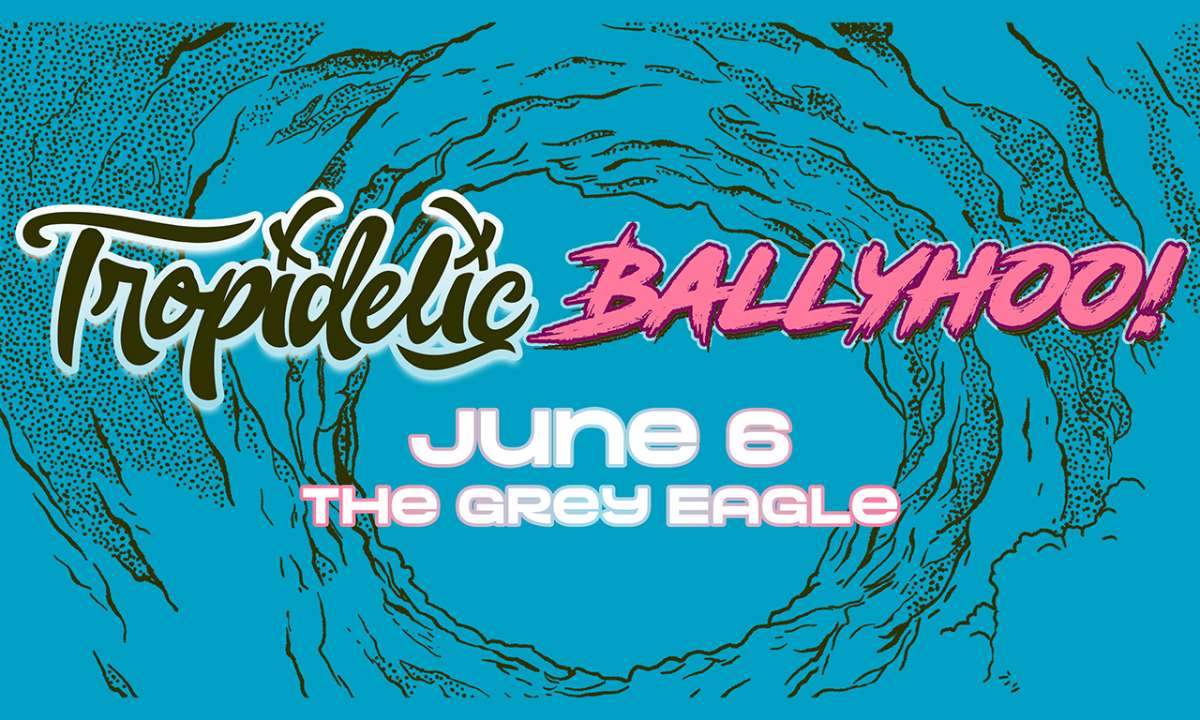
ALL AGESSTANDING ROOM ON:Y TROPIDELIC A musical lighthouse, shining a resilient light for everyone that has had to pull themselves up by their bootstraps, Tropidelic has arrived on the national stage. Hailing from Cleveland, Ohio, a city rich in character and music history, this six-piece performance powerhouse carves their own path with an independent mentality. Front man Roads, explores feelings more than sounds, seeing where the emotional travel can take him, while valuing being comfortable and honest. There is a sense of seeing where the music can go on their 2024 new album. As an everyman-band making music to overcome life’s obstacles, the “goals” that Tropidelic made when starting the band have all been surpassed. Roads says of the band’s future, “I’m nose to the grindstone. It’s going great and I am going to keep going.” BALLYHOO! Through 25 years and eight independent albums, the last four on their own Right Coast Records, Ballyhoo! have earned the exclamation point which marks their name. Starting in the basement of their mom’s Aberdeen, MD, home, rocking out on guitar and drums respectively, practicing every day, brothers Howi and Donald Spangler formed the proto-punk band in the mold of Green Day and Nirvana, with an eye towards the emerging ska genre led by Goldfinger, Sublime, 311 and No Doubt. The group’s eighth and most recent studio album, the breezy, ska-fueled, hookfilled Message to the World, on their own Right Coast Records, finds the selfdeclared “beach-rockers,” having grown up in public, accepting the responsibilities of adulthood while still hanging on to their dreams of world domination. Stylistically, their music ranges from the hard-edged punk of 2018’s Detonate, which captured the feelings of anger and depression from dealing with personal loss and the exhaustion generated by over a decade on the road to the island reggae beats of the follow-up, Message to the World. “Whatever you want to achieve, just focus on that and work towards it,” explains Howi about the Ballyhoo! ethos. “Don’t worry about followers, views, or even money. Just keep making good stuff. One day it may be possible to finally quit that day job and live your dream full time.”Ballyhoo! is still doing just that, purveying good vibes, positivity and fun live shows meant to take you away from real life… DALE AND THE ZDUBS A fresh rock-reggae groove is flowing out of the nation’s capital, and their name is Dale and the ZDubs. A distinct reggae influence intertwined with a hard hitting rock style, DZD’s songs tell raw and oftentimes ridiculous stories. High-energy live shows feature multi-part vocal harmonies, along with thick guitar driven melodies. And sometimes Dale gets naked. DZD’s absolute obsession with performing live is the catalyst of their 150+ show dates a year all across the country. The most recent studio album, Tuna, produced by Jim Ebert (Everclear) and Jason “Jocko” Randall (John Brown’s Body), is streaming everywhere.
Being Dead
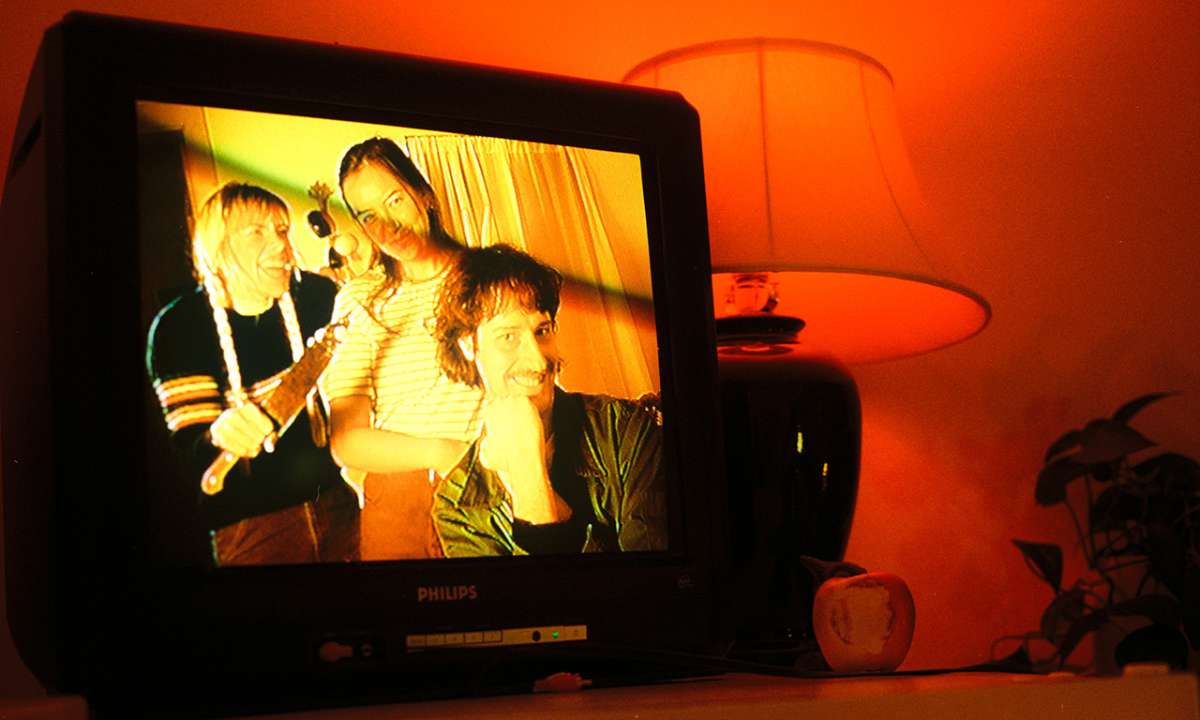
ALL AGESSTANDING ROOM ONLY BEING DEAD Being Dead — the Austin, TX-based duo consisting of Falcon Bitch and Shmoofy — announces its new album, EELS, out September 27th on Bayonet, lead single/video “Firefighters,” and a fall headline tour. Being Dead’s records are mosaics, technicolor incantations, each song its own self-contained little universe. And while the dreamlike EELS probes further into the depths of the duo Being Dead’s psyche, it is, most importantly, a 16-track record that is genuinely unpredictable from one track to the next. It’s a joyous and unexpected trip helmed by two true-blue freak bitch besties holed up in a lil’ house in the heart of Austin, Texas. When Horses Would Run, Being Dead’s “glorious and timeless” (Gorilla vs. Bear) debut record released in 2023, took years to release. The final product was excellent and expertly polished, at odds with the live rowdiness they’d cultivated a reputation for throughout Austin and beyond across seven years of being a band. For the next one, they knew they’d have to do things differently. They decamped to Los Angeles for two weeks to record with GRAMMY-winning producer John Congleton, writing songs for the record until days before they left. The radical shift in process was welcome – a good balance and a challenge, Congleton helping them find new ways to work and helping peel back the layers on the core of their songwriting. Being Dead has grown from a duo to a trio live, including bassist Nicole Roman-Johnston who also co-wrote and recorded bass and vocals on several album tracks. The resulting EELS is a darker record, tapped more into the devilishness within. It’s a more raucous, rougher ride sonically. There’s heartbreak, excitement, enchantment, dancing – we move through it all at a high-octane pace. Falcon Bitch and Smoofy never want to do the same thing twice on any song, and they don’t. This is never more apparent than on lead single, “Firefighters,” which might be the first of its kind told from the perspective of a Dalmatian who is overworked at their fire station. The pummeling, distorted garage rock ripper’s accompanying video by director URZULKA “came together through a group hallucination.” The band adds, “We love marbles and outdoor play and decided to get it on video for y’all. Making this was like creating an intricate handshake with all your buddies—riddled with inside jokes and giggles.” PILGRIM PARTY GIRL Abe Leonard & Hannah Eicholtz craft lo-fi experimental pop in Asheville, NC. By trading tapes using a portable Tascam, they blend warped elements with ethereal melodies. Their latest EP featuring chirping organs, warm pianos, and emotive strings, bathes the listener in a milky bath of luscious sound for night crawlers. SEISMIC SUTRA Formed and based in Asheville, NC, Seismic Sutra’s unique fusion of past and present psychedelia creates an immersive, ever- changing listening experience curated by the diverse musical and personal backgrounds of songwriters Torren Brown and Jono Cerrud. Joined by Morgan Bevis and Andrew Stevens. Seismic Sutra is a powerhouse of prog experimentation, genre fluidity, and the live experience.
Corridor
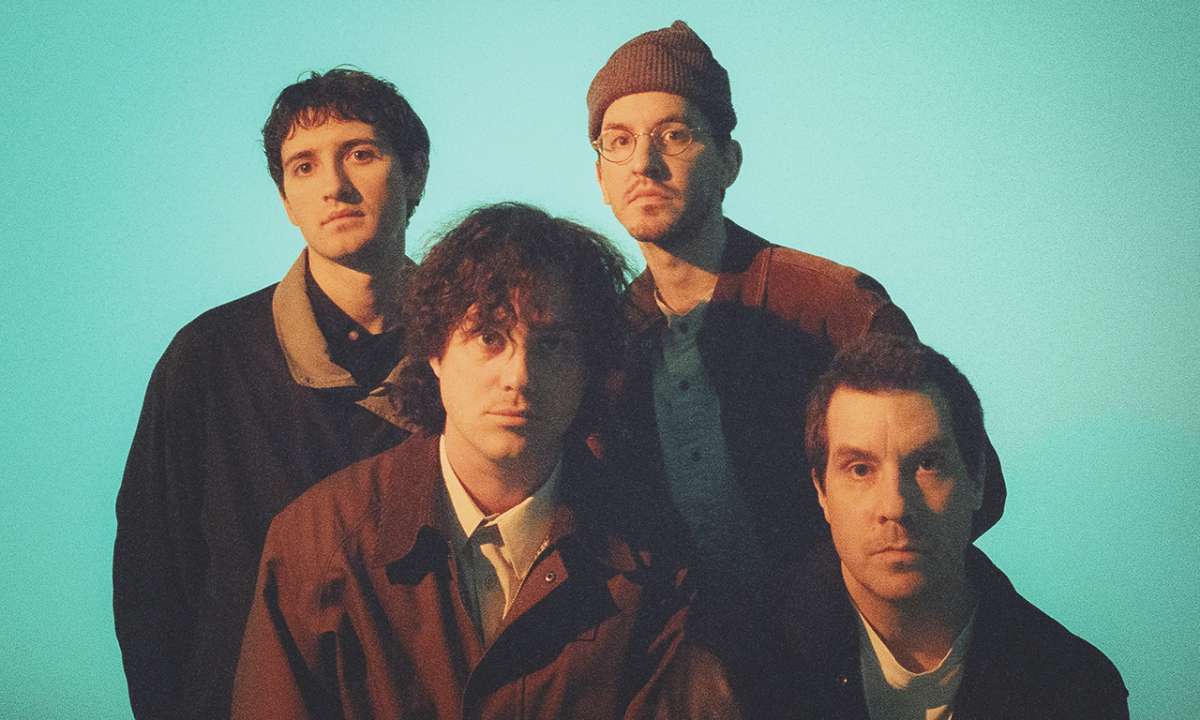
ALL AGESSTANDING ROOM ONLY CORRIDOR You get older, you have a family, and you start to slow down—that’s how things are supposed to go, right? Not for Montreal band Corridor, who have returned on their fourth album Mimi with a sound and style that’s more widescreen and expansive than anything that’s preceded it. The follow-up to 2019’s Junior is a huge step forward for the band, as the members themselves have undergone the type of personal changes that accompany the passage of time; even as these eight songs reflect a newfound and contemplative maturity, however, Corridor are branching out more than ever with music that’s richly detailed, resulting in a record that feels like a fresh break for a band that’s already established themselves as forward-thinkers. Mimi immediately recalls the best of the best when it comes to indie rock—Deerhunter’s silvery atmospherics immediately come to mind, as well as the spiky effervescence of classic post-punk—but despite these easy comparisons, Corridor remain impossible to pin down from song to song, which makes Mimi all the more thrilling as a listen. The road to this point, as roads to greatness often are, was not without challenge; if the elastic guitar rock of Junior came together quickly—or, as guitarist and vocalist Jonathan Robert describes the process, “in a rush”—then the steady-as-they-go creative pace of Mimi marked a desire to break from the “exhausting” work ethic that previously birthed Junior. “The goal was to work differently, which is the goal we have every time we work on a new album—to build something in a new way,” Robert explains. “This time, we took our time.” And so in the summer of 2020, Corridor’s members—Robert, vocalist/bassist Dominic Berthiaume, drummer Julien Bakvis, and multi-instrumentalist Samuel Gougoux—holed away in a cottage to engage in the sort of creative experimentation that would lead to Mimi’s ultimate creation. We went there to write, and a lot of ideas came from that retreat,” Berthiaume explains. “We didn’t end up with songs as much as we did ideas, so the result is a collage of the ideas.” After that productive session together, Corridor continued to tinker with the songs’ raw parts digitally and remotely over the next few years, with co-producer Joojoo Ashworth (Dummy, Automatic) lending their own specific talents in the theoretical booth. “For a long time, we identified as a guitar-oriented band, and the goal of making this whole record was trying to get away from that,” Berthiaume states while admitting that the band encountered their own challenges as a result: “We had to figure out how to make new songs without having the chance to play together. It was complicated sometimes.” Berthiaume also describes Mimi—which, fun fact, is also named after Jonathan’s cat—as a record about “getting older” and “figuring out new parts of life”—but despite any claims of transitional growing pains from the band, Mimi is a record bursting with new energy and life, a vibrance that’s owed in no small part to Gougoux joining the band full-time after pitching in on live performances in the past. ROBBER ROBBER
Kishi Bashi
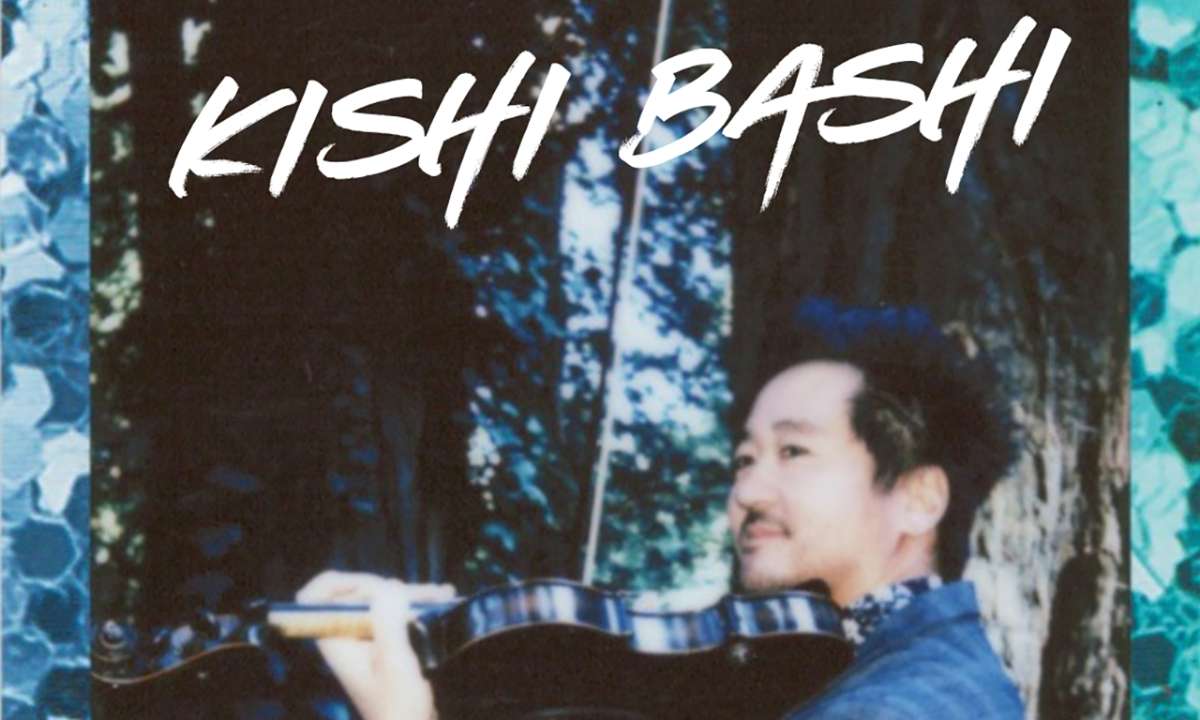
ALL AGESSTANDING ROOM ONLY KISHI BASHI The latest full-length from Kishi Bashi, Kantos is a work of exquisite duality: a party album about the possible end of humanity as we know it, at turns deeply unsettling and sublimely joyful. In a sonic departure from the symphonic folk of his critically lauded 2019 LP Omoiyari—a career-defining body of work born from his intensive meditation on the mass incarceration of Japanese-Americans during World War II—the Seattle-born singer/songwriter/producer’s fifth studio album encompasses everything from Brazilian jazz and ’70s funk to orchestral rock and city pop (a Japanese genre that peaked in the mid-’80s). Informed by an equally kaleidoscopic mix of inspirations—the cult-classic sci-fi novel series Hyperion Cantos, the writings of 18th century enlightenment philosopher Immanuel Kant, a revelatory trip to ancient ruins on the island of Crete—Kantos ultimately serves as an unbridled exaltation of the human spirit and all its wild complexities. “At a time when so many people had begun to panic about AI and what it might mean for our future, I started working on this record as a way to explore the concept of grounding ourselves in our humanity,” says the Santa Cruz, California-based multi-instrumentalist otherwise known as Kaoru Ishibashi. “The album title is a nod to Hyperion Cantos and to Immanuel Kant, but it also refers to ‘canto’ meaning ‘I sing’ in Spanish. The idea is that even with so much technological advancement, songs are still something we very much rely on to connect with other people.” The follow-up to his bluegrass-infused 2021 EP Emigrant, Kantos marks Kishi Bashi’s first full-length since Omoiyari—an album accompanied by a feature-length documentary film and praised by such outlets as NPR, who hailed it as “another sure-footed surprise from an artist who never stops seeking new ways to engage, connect and delight.” During the earliest stages of creating songs for Kantos, Ishibashi’s main intent was to return to his highly eclectic musical roots, in part by tapping into his jazz background and by delving into the dance-rock-leaning sensibilities he previously embraced as co-founder of Brooklyn-bred indie band Jupiter One. But not too long into the songwriting process, he stumbled upon an AI-equipped website capable of composing catchy song hooks based on a prompt—a turn of events that quickly catalyzed the existential inquiry at the heart of Kantos. “On the one hand I’m very intrigued by the possibilities of AI: it’s extremely powerful, and has the potential to solve a lot of important problems,” says Ishibashi. “But there’s also a great deal of value in human innovation, and I’m worried about what happens if we lose sight of that. Because if we don’t value our humanity, what are we valuing at all?” Produced by Kishi Bashi and mixed by Tucan (Hot Chip, Jungle, Aluna), Kantos unfolds with a potent and palpable energy that has much to do with his revisiting of the dance-punk acts who infiltrated the zeitgeist back in his Jupiter One days. “Being immersed in that whole scene in New York in the 2000s was very formative for me, and a lot of this record was heavily influenced by bands like The Rapture and LCD Soundsystem,” notes Ishibashi, whose past experience also includes touring and recording as a violinist for Regina Spektor. OSHIMA BROTHERS
La Luz

ALL AGESSTANDING ROOM ONLY LA LUZ “I was in a dream, but now I can see that change is the only law.” With a credo adapted from science fiction author Octavia E. Butler, an album title from a collection of metaphysical poetry, and an expansion in consciousness brought on by personal crisis, guitarist and songwriter Shana Cleveland learns to embrace a changing world with unconditional love on News of the Universe, the new full-length from California rock band La Luz. News of the Universe is a record born of calamity, a work of dark, beautiful psychedelia reflecting Cleveland’s experience of having her world blown apart by a breast cancer diagnosis just two years after the birth of her son. It’s also a portrait of a band in flux, marking the first appearance for drummer Audrey Johnson and the final ones from longtime members bassist Lena Simon and keyboardist Alice Sandahl, whose contributions add a bittersweet edge to a record that is both elegy for an old world and cosmic road map to a strange new one. But is there any band in the world more suited to capturing the chaos of change in all its messy beauty than La Luz? Formed by Cleveland in 2012, La Luz is beloved for their ability to balance bedlam and bliss, each new record another fine-tuning of the band’s mix of swaggering riffs with angelic vocals borrowed from doo-wop and folk; a band so reliably great that it makes the huge step forward in confidence and sheer musicality that is News of the Universe all the more formidable. Cleveland, also a writer and painter, has developed into a truly original songwriter with her own canon of haunted psychedelia that, in recent years, has drawn upon the changing landscape around her rural California home for inspiration, notably on last year’s critically acclaimed solo release, Manzanita, a magical realist documentation of her pregnancy and early motherhood that appeared on many year-end lists. Sonically, the record is all urgency. Songs trip over themselves as if trying to outrun the apocalypse: the breathless pitter-pattering of toms on “Strange World,” the title track’s finger-tangling opening riff drenched in murky distortion. An atmosphere of doom hovers hazily over the Sgt. Pepper-esque baroque pop song “Poppies,” on which Cleveland sings of a wavering orange idyll about to be set ablaze by the late summer sun. On the similarly kaleidoscopic “Dandelions,” she figures the yellow flowers for unsuspecting “little suns” soon to be “turning into moons” as the season marches on. COLOR GREEN For the California-based quartet Color Green, playing music together is all about stepping into the unknown. “When we play live, I don’t really know what’s going to happen,” says Noah Kohll, one of the band’s two guitarists and four vocalists.
The Mystery Lights + Levitation Room
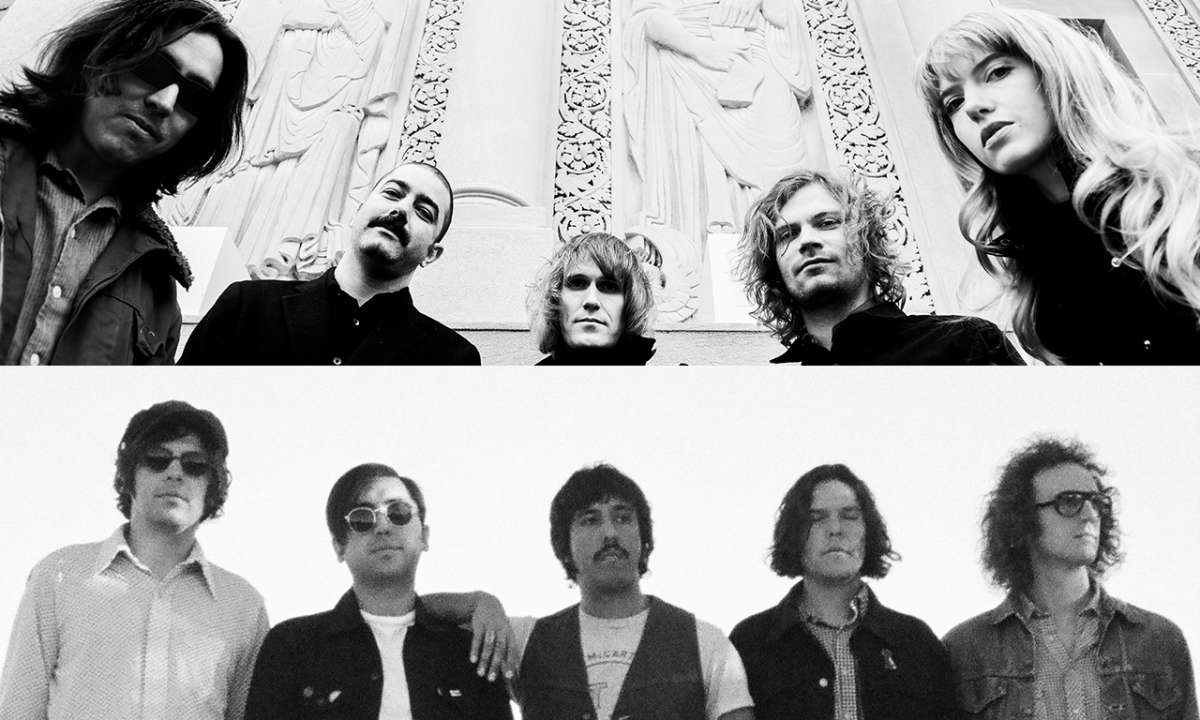
ALL AGESSTANDING ROOM ONLY THE MYSTERY LIGHTS The Mystery Lights story begins in 2004 in the small town of Salinas, California when friends Michael Brandon and Luis Alfonso — whose shared fondness for groups like The Mc5, Velvet Underground, Dead Moon, and The Fall (to name a few) — joined forces to craft their own brand of unhinged rock and roll. From there they spent the better part of 10 years touring relentlessly before migrating to Queens, New York in 2014.With a live show known for its visceral energy and relentless assault — leaving little to no stoppage between songs — they barreled through countless NYC haunts and DIY venues, quickly amassing a fervent local following. The buzz soon caught the attention of Daptone Records execs who were in the beginning stages of launching a new rock-centric imprint, Wick Records. Impressed by the groups’ groove, endless supply of energy, and understanding of musical history, The Mystery Lights were quickly signed to Wick. Though a rock band at heart, the parallels to what Daptone Records had traditionally looked for in their soul artists was undeniable. LEVITATION ROOM In Los Angeles, where the weight and pressure of the city’s fast paced culture can make your legs feel like pillars, emerges psychedelic quartet, Levitation Room, to break the bonds of gravity with their cosmic wall of sound and thought provoking lyrics. “Just as their name suggests, Levitation Room’s music instills the listeners ears with a light feeling of floating. The dreamy guitar and Lo-Fi projections of psychedelic rock and garage are reminiscent of a deep 1960’s era, but still grounded in an alternative dreamgaze flavor that permeates modern indie music today.” – OC Weekly. Their decidedly hallucinogenic songs whisper and hum the same gentle refrain of their summer of love influences, conjuring up the cognitive imagery of sunny days at the park, spent with friends in a euphoric haze along with lyrical and sonic meditations on life, love, society and self-awareness. In tradition, and much like the bands and musical troubadours that inspired them, Levitation Room started out with late night jam sessions in a dimly lit garage between fellow musicians and long time friends, Julian Porte and Gabriel Fernandez. Julian, a dedicated street musician who felt he needed a broader platform, found chemistry with Gabriel, who he knew as a guitar player in various teenage punk and garage bands around town. Coming together in 2012, they bonded over a shared love of British Invasion groups (The Beatles, The Kinks, The Rolling Stones) and 1960’s psychedelic outfits like The Grateful Dead, Electric Prunes, The Pretty Things and began drafting their earliest tunes. DESIGNER With their own distinct spice that is ever so potent, Designer successfully summons the holy Grail of punk rawk. On the surface, Designer is a perfect equation — with sexy guitar riffs, pounding drums, driving bass, and witchy goddess female vocals — Designer is a frickin baked rockin’ cake! – Devyn Marzuola, Asheville FM
Joywave

ALL AGESSTANDING ROOM ONLY JOYWAVE Joywave are at an exciting point in their career. Not only have the act survived the pressures of their major-label debut and the dreaded sophomore slump, they’ve established themselves as the kind of band that you’re as likely to hear at a hip record store as you are at the grocery store. That said, there’s a difference between ubiquity and evolution and with their fifth full-length Permanent Pleasure, Joywave—vocalist/multi-instrumentalist Daniel Armbruster, guitarist Joseph Morinelli and drummer Paul Brenner—lean into guitar and string sections without sacrificing the signature sound that’s endeared the band to countless fans, whether they know it or not, over the past eleven years. Rochester, New York, isn’t necessarily known for its bustling entertainment industry, but it is rich in culture and creativity. The trio’s hometown is integral not only to the theme of Permanent Pleasure (audio samples from 1984 historical compilation release, The Rochester Sesquicentennial, bookend the album), but also to Joywave’s overall identity. Despite international acclaim and major-label success, the band maintain a DIY work ethic that keeps them grounded in the present moment while always reaching toward the future. We go to our studio and make a record with total creative freedom and we turn it in and the label tells us we did a great job,” Armbruster explains. This arrangement is a rarity in the music industry these days—but like all things Joywave, somehow it works out in a way that makes perfect sense for them. Once again produced by Armbruster at the band’s own Rochester-based studio, The Joycave, Permanent Pleasure is an unfiltered vision of the band’s creativity that sees them stepping outside of their sonic comfort zone. “I think this is probably our least keyboard [heavy] record,” Armbruster explains, adding that in some ways Permanent Pleasure was a reaction to the more cohesive and linear construction of 2022’s Cleanse. “On Permanent Pleasure we blew everything apart again: We’re switching out drum components and everything we can between songs and freeing ourselves again from the box of ‘it has to be super cohesive’ because I always want to rage against what we did last time. But five records in, we’re a lot better at writing and recording, so it’s bringing back a little bit of the all-over vibe of the first record, but on the other side of the experience. We’ve gone through a wormhole.” That feeling of artistic liberation is the unifying sonic characteristic of the album, from the futuristic downtempo groove of “Sleepytime Fantasy” to the hypnotic dancefloor vibe of “Brain Damage.” Permanent Pleasure also sees the band expanding their own musical conventions, the most obvious being the fact that they enlisted an actual orchestra to play on these songs instead of relying solely on software as they have in the past. “We’ve always done virtual instruments before but we wanted to have it real this time around, so we had the Rochester Philharmonic Orchestra play on five of these songs,” Morinelli, who wrote out the sheet music for them, explains. That amalgamation of electronic and organic instrumentation is evident on songs like “He’s Back,” which is political, personal, petrifying and playful, seemingly all at once. LITTLE IMAGE